
Deafblind and Dual Sensory Loss Workplace Assessment
Virtual (video or phone) £795, face to face £995. Around two hours. A full, actionable report within ten working days.
Workplace Assessments for People with Both Sight Loss and Hearing Loss
When an employee has both sight loss and hearing loss, each one affects how they manage the other. Many everyday workarounds for one sense rely on the other: someone with hearing loss may lip-read or follow captions, and someone with sight loss may rely on listening. When both are affected, those workarounds can stop working, so adjustments need to take both into account.
Visualise carries out deafblind workplace assessments, also called dual sensory loss workplace assessments, for employers across the UK and Ireland. The assessment is practical and non-clinical. It looks at the person’s real job and working day, and ends in a clear report your organisation can put into practice.
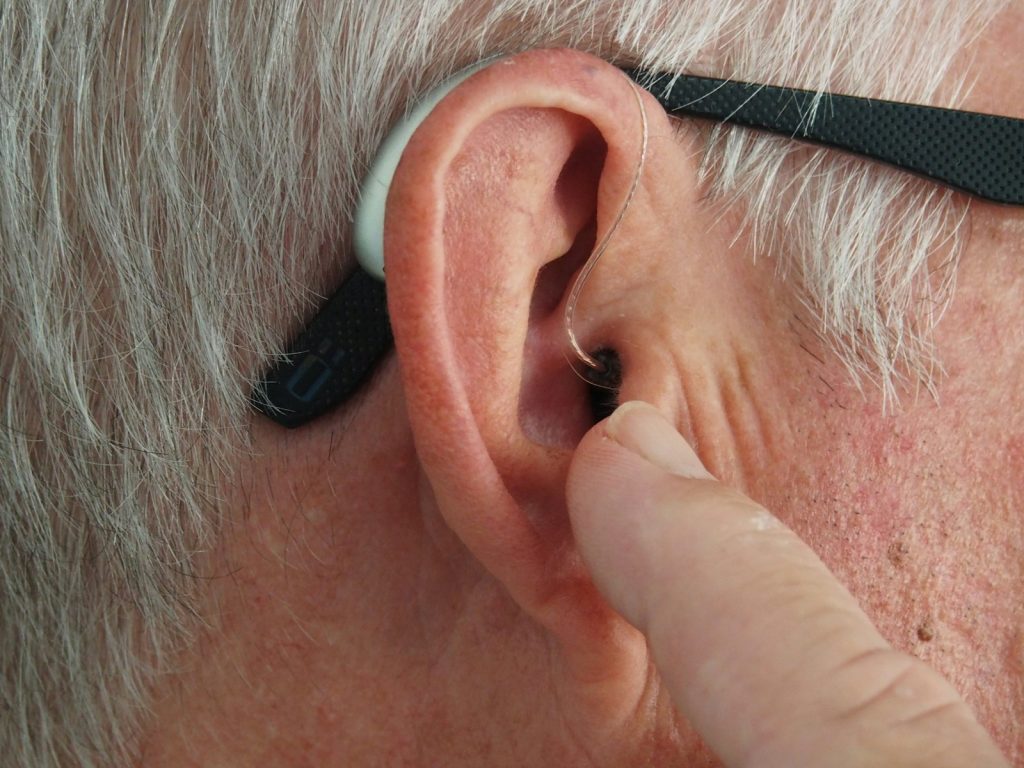
Who Is a Dual Sensory Loss Workplace Assessment For?
This assessment is for people who have both sight loss and hearing loss, whatever the degree of each. That includes people who were born deafblind and people who lose sight and hearing later in life, whether gradually or suddenly.
Some people with dual sensory loss don’t use the word deafblind, and they don’t need to. If someone has any combination of sight loss and hearing loss that is affecting their work, this is the right assessment.
If someone has sight loss only, see our visual impairment workplace assessment. If someone has hearing loss only, see our hearing loss workplace assessment.
How It Works
- Referrals usually come from HR, occupational health or a line manager. Use the Make a Referral button to download the referral form, complete it and send it back to us. Self-employed people and individuals can also book an assessment directly.
- We contact the employee directly within two working days to arrange a time that suits them.
- We carry out the assessment face to face at the workplace, or virtually by video or phone, depending on what works for the person. It takes around two hours.
- We write a full, actionable report and send it to you within ten working days.
If you have any questions once you have read the report, just get in touch.
What the Assessment Looks At
Every assessment is shaped around the person and their role. Depending on the job, it may include:
- Communication: taking part in meetings and keeping in touch with colleagues.
- Information and documents: how the person reads, finds and shares information.
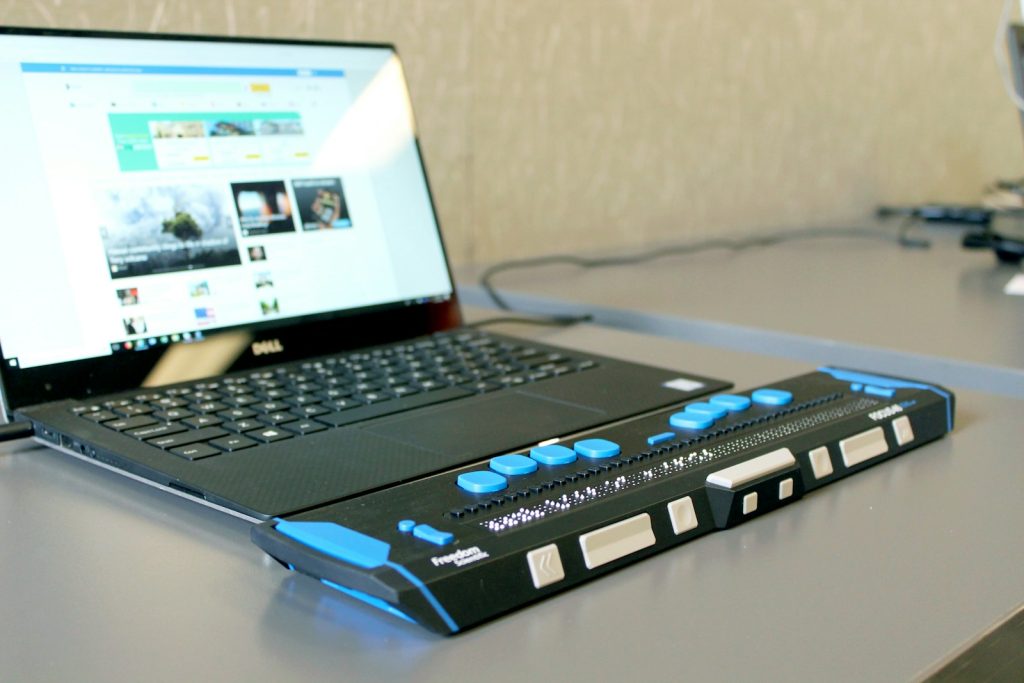
- Computer and phone access: for example magnification, screen readers, braille displays, amplified or captioned phones, and hearing aid compatible headsets.
- Lighting and glare: in the workplace and on screen.
- Alerts and alarms: for example vibrating or visual alerts, so important signals are not missed.
- Getting around: moving around the workplace safely.
- Emergency evacuation planning: including a personal emergency evacuation plan (PEEP).
- Working patterns and fatigue: the extra effort of managing with both sight loss and hearing loss, and how the working day can be arranged around it.
- Awareness for colleagues: including awareness training for colleagues and managers.
What the Report Covers
The report is written to be acted on. It covers:
- the person’s role and tasks
- the barriers they face
- practical recommendations and adjustments
- who is responsible for each recommendation.
Every recommendation is proportionate and specific to the role.

The Law and Funding
England, Scotland and Wales. Under the Equality Act 2010, employers have a duty to make reasonable adjustments for disabled employees, so that they are not put at a substantial disadvantage compared with colleagues. This includes many people with sight loss, hearing loss or both.
Northern Ireland. Disability in employment is covered by the Disability Discrimination Act 1995, which places a similar duty on employers to make reasonable adjustments.
Ireland. Under section 16 of the Employment Equality Act 1998, as amended, employers must take “appropriate measures”, often called reasonable accommodation, so that a person with a disability can do the job, unless those measures would impose a disproportionate burden on the employer.
Employers in Ireland may be able to get help with costs through the Work and Access programme. Its Workplace Needs Assessment grant can contribute towards the cost of an assessment, and the programme can also fund workplace equipment and adaptations. You can check current amounts and eligibility on gov.ie. The Department of Social Protection decides which assessments it will fund, so check with your local Intreo office before booking. Please ask us about your situation before applying. Our report sets out clearly what is needed. Approval must be in place before anything is bought.
Access to Work
Access to Work is available in England, Scotland and Wales. Northern Ireland has its own Access to Work programme. Access to Work can help pay for support, but it will not pay for reasonable adjustments an employer is legally required to make. Its own staff guide says advisers “must take into account any previous assessments a customer has had”, and that “a further assessment may not be necessary unless the customer asks for one” or the type of work has significantly changed. Funding decisions always rest with Access to Work, and it may still arrange its own assessment.
Assessment Cost
- Virtual assessment, by video or phone: £795
- Face-to-face assessment at the workplace: £995
The price includes the assessment and the full written report.
Related Reading
- Visual impairment workplace assessments
- Hearing loss workplace assessments
- Useful links for sight loss
- Useful links for hearing loss, including Deafblind UK, Sense and Deafblind Scotland
- Personal emergency evacuation plans (PEEPs)
- What is a dual sensory loss workplace assessment? A guide for employers and referrers
Make a Referral Today
Don’t wait until your colleague is struggling. Let us help you get it right from the start.
Have questions first?
Contact us today to discuss how we can support your team. Call us on 07472 305 268
Or email us directly at referrals@visualisetrainingandconsultancy.co.uk
Let’s work together to create a workplace where sight loss and hearing loss are not a barrier to success.
Frequently Asked Questions About Deafblind and Dual Sensory Loss Workplace Assessments
Dual sensory loss, also called deafblindness, means having both sight loss and hearing loss. It covers a wide range: some people have useful sight and hearing, others have very little of either. It can be present from birth or develop later in life.
Yes. They are two names for the same assessment, for anyone who has both sight loss and hearing loss. The person does not need to describe themselves as deafblind.
Yes. The assessment can be carried out virtually, by video or phone, for £795, or face to face at the workplace for £995. We use whichever format works for the person.
Around two hours. We contact the employee within two working days of the referral, and the report is sent to you within ten working days of the assessment.
Referrals usually come from HR, occupational health or a line manager, and we also work with insurers and case managers. Self-employed people and individuals can book directly. The employee should agree to the referral before it is made.
No. The assessment looks at how the person's sight and hearing affect their work, so they don't need to be registered, have a certificate or describe themselves as deafblind.
Yes. We carry out assessments for employers in Ireland, by video, phone or in person, and Irish employers can commission an assessment from us directly. Help with costs may be available through the Work and Access programme. Check current details on gov.ie.
Last reviewed November 2026